
Introduction
Neck pain has become one of the most common health concerns among people of all age groups. Long working hours, poor posture, excessive mobile phone usage, and sedentary lifestyles have significantly increased the number of people suffering from neck-related problems. While occasional neck discomfort may not be serious, persistent symptoms can sometimes indicate a condition known as Cervical Spondylosis.
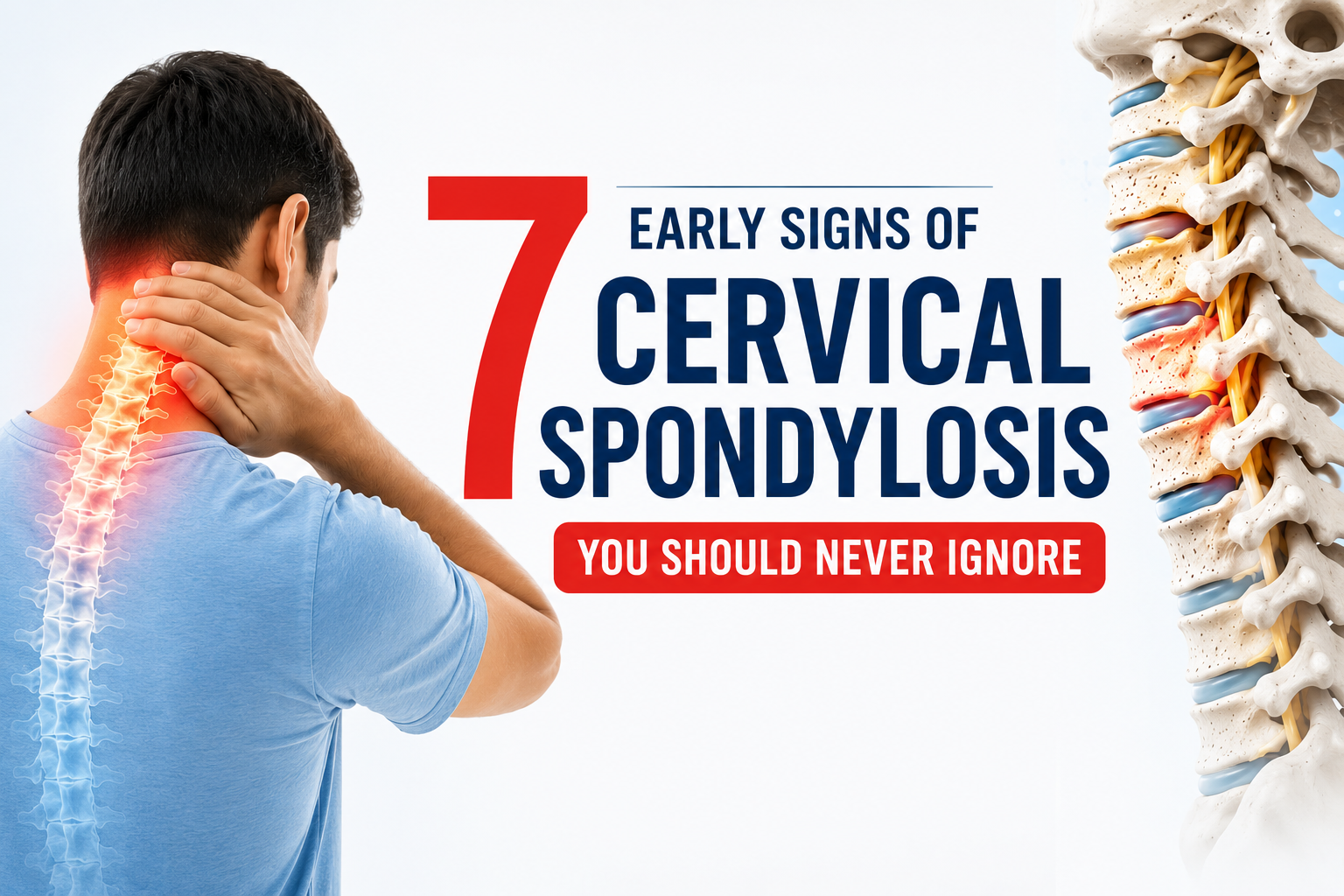
Cervical Spondylosis is a degenerative condition that affects the bones, discs, and joints of the neck. It usually develops with age, but nowadays even younger adults are experiencing this condition due to poor ergonomics and prolonged screen time. Ignoring the early symptoms can lead to chronic pain, nerve compression, and difficulties in performing everyday activities.
If you experience recurring neck pain or stiffness, early diagnosis and treatment can help prevent complications and improve your quality of life. Seeking timely evaluation at Maruti Hospital, Sola, Ahmedabad, can help identify the underlying cause and provide appropriate treatment for cervical spine disorders.
What is Cervical Spondylosis?
Cervical Spondylosis, also called neck arthritis or cervical osteoarthritis, is an age-related wear-and-tear condition affecting the cervical spine. Over time, the spinal discs lose their flexibility and hydration, causing changes in the vertebrae and joints. In some cases, bone spurs may develop and put pressure on nearby nerves or the spinal cord.
Common causes of Cervical Spondylosis include:
- Age-related degeneration
- Poor posture
- Long hours of computer work
- Excessive smartphone usage
- Previous neck injuries
- Lack of physical activity
- Repetitive neck movements
- Genetic factors
Early detection of symptoms can help prevent the condition from worsening.
1. Persistent Neck Pain and Stiffness
One of the earliest and most common signs of Cervical Spondylosis is persistent neck pain and stiffness. The pain may initially come and go but can gradually become more frequent.
Common symptoms include:
- Difficulty turning the head
- Morning stiffness in the neck
- Pain after sitting for long periods
- Soreness that increases with movement
Many people assume that this discomfort is caused by poor sleeping posture or muscle strain. However, if neck pain persists for several weeks, it may indicate degenerative changes in the cervical spine.
People working in offices and spending long hours in front of computers are particularly vulnerable to developing chronic neck pain.
2. Frequent Headaches
Recurring headaches that start at the base of the skull and move toward the forehead can be an early warning sign of Cervical Spondylosis.
Degeneration in the cervical spine can cause muscle tension and irritation of nearby nerves, leading to cervicogenic headaches.
Symptoms may include:
- Pain originating from the neck
- Headaches that worsen with neck movement
- Pressure around the back of the head
- Reduced neck mobility during headaches
If your headaches are accompanied by neck stiffness or shoulder pain, it is advisable to seek medical attention.
3. Pain Radiating to the Shoulders and Arms
As Cervical Spondylosis progresses, it can compress nearby nerves and cause pain that radiates beyond the neck.
Symptoms may include:
- Shoulder pain
- Burning sensation in the arms
- Pain extending down the arm
- Muscle fatigue in the upper limbs
Many people mistake these symptoms for shoulder problems and delay treatment. Persistent radiating pain should never be ignored, as it may indicate nerve involvement.
4. Tingling or Numbness in the Hands and Fingers
Tingling sensations, numbness, or a “pins and needles” feeling in the hands and fingers are common symptoms of nerve compression caused by Cervical Spondylosis.
You may experience:
- Numbness in the fingers
- Weak grip strength
- Difficulty holding objects
- Intermittent tingling sensations
These symptoms often develop gradually and may worsen if left untreated. Early treatment can help prevent long-term nerve damage.
5. Dizziness and Balance Problems
Although less common, some individuals with Cervical Spondylosis experience dizziness and balance issues.
Symptoms may include:
- Feeling lightheaded
- Difficulty maintaining balance
- Unsteadiness while walking
- Dizziness when moving the neck
These symptoms can interfere with daily activities and increase the risk of falls, especially in older adults. Medical evaluation is necessary if dizziness occurs along with chronic neck pain.
6. Weakness in the Arms and Hands
Muscle weakness is another warning sign that should not be ignored.
Symptoms may include:
- Difficulty lifting objects
- Weak hand grip
- Reduced arm strength
- Frequently dropping items
Weakness develops when compressed nerves fail to send proper signals to the muscles. Delaying treatment may result in permanent nerve damage and reduced mobility.
7. Reduced Range of Motion in the Neck
A healthy neck should move comfortably in all directions. If you find it increasingly difficult to turn your head or look up and down, it may indicate Cervical Spondylosis.
Common complaints include:
- Difficulty rotating the neck
- Tightness while driving
- Pain during movement
- Difficulty finding a comfortable sleeping position
Restricted neck movement often develops gradually and can worsen without proper treatment.
Risk Factors for Cervical Spondylosis
Several factors increase the likelihood of developing Cervical Spondylosis, including:
- Increasing age
- Sedentary lifestyle
- Poor posture
- Obesity
- Smoking
- Previous neck injuries
- Lack of exercise
- Long working hours at a desk
People who spend prolonged periods using computers or mobile devices are at a higher risk of developing cervical spine problems.
When Should You Visit a Doctor?
You should consult a specialist if you experience:
- Persistent neck pain for several weeks
- Frequent headaches with neck stiffness
- Numbness or tingling in the hands
- Weakness in the arms
- Difficulty maintaining balance
- Reduced neck movement
- Pain affecting daily activities
Early diagnosis and treatment can help prevent complications and improve overall quality of life.
Diagnosis of Cervical Spondylosis
A doctor may recommend several diagnostic tests, including:
- Physical examination
- X-rays
- MRI scan
- CT scan
- Nerve conduction studies
These tests help determine the severity of the condition and guide the most suitable treatment plan.
Treatment Options for Cervical Spondylosis
Medications
- Pain relievers
- Anti-inflammatory medications
- Muscle relaxants
Physiotherapy
- Neck strengthening exercises
- Stretching exercises
- Posture correction techniques
Lifestyle Modifications
- Maintaining proper posture
- Using ergonomic furniture
- Taking regular breaks during work
- Engaging in regular physical activity
Advanced Treatments
- Injection therapy for pain management
- Surgery in severe cases involving nerve compression or spinal cord involvement
Tips to Prevent Cervical Spondylosis
The following measures can help reduce the risk of developing Cervical Spondylosis:
- Maintain proper posture while sitting and standing.
- Avoid prolonged use of mobile phones and computers.
- Exercise regularly.
- Stretch your neck during work breaks.
- Sleep with proper neck support.
- Use ergonomic chairs and workstations.
- Avoid carrying heavy bags on one shoulder.
- Maintain a healthy body weight.
Simple lifestyle modifications can significantly improve spinal health and reduce the risk of chronic neck problems.
Conclusion
Cervical Spondylosis is a common condition that can affect your daily life if left untreated. Persistent neck pain, headaches, numbness, weakness, and restricted neck movement are early warning signs that should never be ignored. Recognizing these symptoms and seeking timely treatment can help prevent complications and improve your quality of life.
Maruti Multispeciality Hospital is committed to providing comprehensive orthopaedic and spine care with advanced diagnostic facilities and personalized treatment plans for patients suffering from cervical spine disorders. Early intervention can make a significant difference in managing symptoms and restoring mobility.