
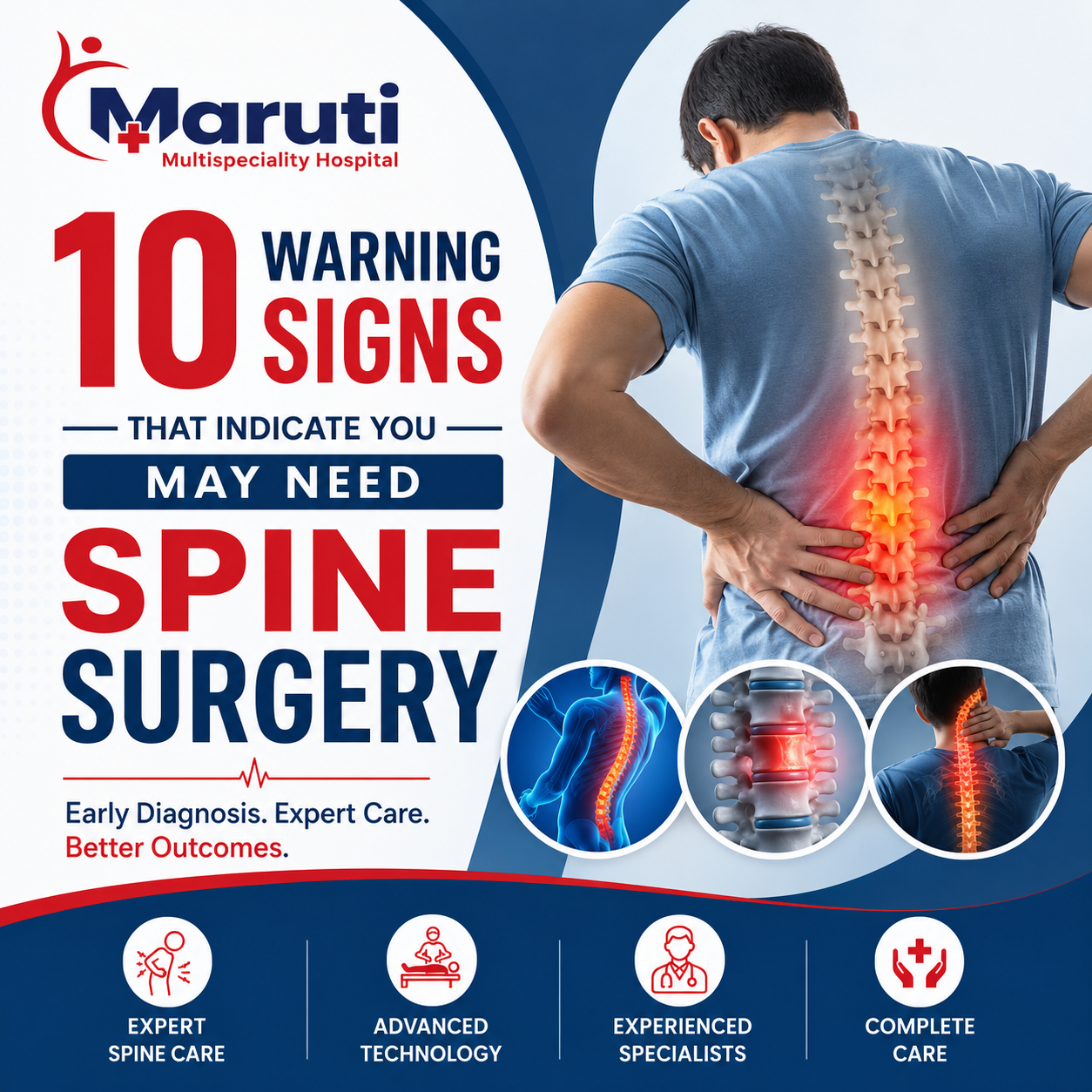
Back pain is one of the most common health concerns affecting people of all ages. Long working hours, poor posture, sedentary lifestyles, injuries, and age-related degeneration can all contribute to spine problems. While many spinal conditions improve with medications, physiotherapy, and lifestyle modifications, some symptoms may indicate a serious underlying condition that requires advanced medical treatment.
In certain cases, Spine Surgery becomes necessary to relieve pain, restore mobility, and prevent permanent nerve damage. Ignoring persistent back or neck pain can significantly affect your quality of life and may lead to severe complications if left untreated.
If you are experiencing chronic back pain or neurological symptoms and are looking for the Best spine hospital in Ahmedabad, understanding the warning signs can help you seek timely treatment and improve your chances of a successful recovery.
Understanding Spine Surgery
Spine surgery refers to procedures performed to treat conditions affecting the spinal cord, vertebrae, discs, and surrounding nerves. Thanks to advancements in medical technology, many modern procedures are now minimally invasive, leading to smaller incisions, reduced pain, shorter hospital stays, and faster recovery.
Some common conditions that may require surgery include:
- Herniated or slipped disc
- Spinal stenosis
- Degenerative disc disease
- Scoliosis
- Spinal fractures
- Nerve compression
- Spinal tumors
- Severe spinal deformities
Not every patient with back pain needs surgery. However, certain symptoms should never be ignored.
1. Persistent Back Pain That Doesn’t Improve
Occasional back pain is common and usually improves with rest and conservative treatments. However, if your pain continues for several weeks or months despite medications and physiotherapy, it may indicate a more serious spinal problem.
Chronic pain can interfere with your daily routine, affect your sleep, and reduce your productivity at work. If the pain becomes persistent and limits your ability to perform normal activities, further evaluation may be necessary.
2. Severe Neck Pain or Stiffness
Persistent neck pain accompanied by stiffness, headaches, or difficulty turning your neck can indicate cervical spine problems.
Conditions such as cervical disc degeneration, spinal arthritis, and nerve compression can worsen over time if left untreated. When conservative treatments fail to provide relief, surgery may become necessary to improve function and reduce pain.
3. Pain Radiating to the Arms or Legs
Pain that starts in the neck or lower back and travels into the arms, buttocks, or legs often indicates nerve compression.
This symptom is commonly associated with:
- Herniated discs
- Sciatica
- Spinal stenosis
- Degenerative disc disease
Radiating pain can make standing, walking, and performing daily activities extremely difficult. Persistent symptoms should be evaluated by a spine specialist.
4. Numbness or Tingling Sensation
A constant tingling sensation or numbness in the hands, arms, feet, or legs may indicate that spinal nerves are being compressed.
When nerves remain compressed for a prolonged period, permanent damage can occur. If numbness worsens or begins affecting your ability to move normally, immediate medical attention is important.
5. Muscle Weakness in the Arms or Legs
Muscle weakness is one of the most concerning symptoms of spinal nerve compression.
You may notice:
- Difficulty lifting objects
- Weak grip strength
- Trouble climbing stairs
- Difficulty standing for long periods
- Reduced ability to walk normally
Progressive weakness should never be ignored because it may indicate significant nerve involvement that requires urgent treatment.
6. Difficulty Walking or Maintaining Balance
Problems with coordination and balance can be a sign of spinal cord compression.
You should seek medical attention if you:
- Frequently stumble while walking
- Feel unsteady on your feet
- Experience weakness in your legs
- Have difficulty standing for extended periods
These symptoms may indicate advanced spinal disorders that require immediate evaluation and possible surgical intervention.
7. Loss of Bladder or Bowel Control
Sudden loss of bladder or bowel control is considered a medical emergency.
This symptom may indicate Cauda Equina Syndrome, a serious condition in which the nerves at the lower end of the spinal cord become compressed.
Other symptoms may include:
- Severe lower back pain
- Numbness around the groin area
- Weakness in both legs
Immediate medical treatment is essential to prevent permanent nerve damage.
8. Pain That Interferes with Daily Activities
Back or neck pain should not prevent you from enjoying your normal life.
If your pain makes it difficult to:
- Work efficiently
- Drive comfortably
- Exercise regularly
- Sleep properly
- Sit or stand for extended periods
it may indicate a significant spinal issue that requires specialized treatment.
Persistent pain can negatively affect both physical and emotional well-being and should never be ignored.
9. Symptoms Continue Despite Non-Surgical Treatments
Most spinal conditions improve with conservative treatment methods, including:
- Medications
- Physiotherapy
- Lifestyle modifications
- Pain management injections
- Exercise programs
However, if symptoms continue for several months despite these treatments, surgery may become the most effective option to relieve pain and restore mobility.
A spine specialist will carefully evaluate your condition and determine whether surgical treatment is necessary.
10. Progressive Spine Deformity
Visible changes in posture or spinal alignment should not be ignored.
Conditions such as scoliosis, kyphosis, and degenerative spine disorders can gradually worsen and lead to:
- Chronic pain
- Reduced mobility
- Breathing difficulties
- Nerve compression
Early diagnosis and timely treatment can help prevent complications and improve overall quality of life.
Risk Factors That Increase the Chances of Spine Problems
Certain factors can increase the likelihood of developing spinal conditions, including:
- Aging
- Obesity
- Sedentary lifestyle
- Poor posture
- Smoking
- Repetitive lifting activities
- Previous spine injuries
- Family history of spinal disorders
Maintaining a healthy lifestyle and seeking medical attention for persistent symptoms can significantly reduce the risk of severe complications.
When Should You Consult a Spine Specialist?
You should seek professional medical advice if you experience:
- Persistent back pain
- Radiating pain in the arms or legs
- Numbness or tingling
- Weakness in the limbs
- Difficulty walking
- Loss of bladder or bowel control
- Progressive symptoms despite treatment
Early diagnosis often leads to better treatment outcomes and can prevent long-term complications.
Advanced Spine Care in Sola, Ahmedabad
Choosing the Best spine hospital in Ahmedabad is essential for accurate diagnosis and effective treatment. Patients suffering from chronic back pain, neck pain, or spinal disorders require comprehensive care that includes proper evaluation, advanced diagnostic facilities, and individualized treatment plans.
Modern spine care focuses on identifying the root cause of pain and providing the most appropriate treatment option, whether surgical or non-surgical. Early intervention can help patients regain mobility and return to their daily activities with improved quality of life.
Conclusion
Back pain should never be ignored, especially when it is persistent or accompanied by neurological symptoms. Recognizing these warning signs that indicate you may need Spine Surgery can help you seek timely medical care and avoid serious complications.
Persistent pain, numbness, weakness, difficulty walking, or loss of bladder control are symptoms that require immediate medical attention. Early diagnosis and proper treatment can significantly improve recovery and prevent permanent damage.
Maruti Multispeciality Hospital is committed to providing comprehensive spine care with advanced treatment options and personalized medical support for patients suffering from various spine conditions.
Frequently Asked Questions (FAQs)
1. How do I know if I need Spine Surgery?
You may need surgery if you experience persistent back pain, numbness, weakness in your limbs, difficulty walking, or loss of bladder and bowel control that does not improve with non-surgical treatments.
2. Is Spine Surgery always necessary for back pain?
No. Most back pain conditions can be managed with medications, physiotherapy, and lifestyle modifications. Surgery is usually recommended only when conservative treatments fail.
3. What conditions commonly require Spine Surgery?
Conditions such as herniated discs, spinal stenosis, degenerative disc disease, scoliosis, spinal fractures, and severe nerve compression may require surgery.
4. How long does recovery take after Spine Surgery?
Recovery varies depending on the procedure and the patient’s overall health. Minimally invasive surgeries may require only a few weeks of recovery, while complex procedures can take several months.
5. Can lifestyle changes prevent spine problems?
Maintaining proper posture, exercising regularly, avoiding smoking, and maintaining a healthy weight can help reduce the risk of spinal disorders.
Take the First Step Towards Better Spine Health
Persistent back pain, numbness, weakness, or difficulty walking should never be ignored. Early diagnosis and timely treatment can prevent complications and improve your quality of life.
If you are experiencing any of these warning signs, seek professional medical evaluation and take the first step toward a healthier, pain-free, and more active life.