
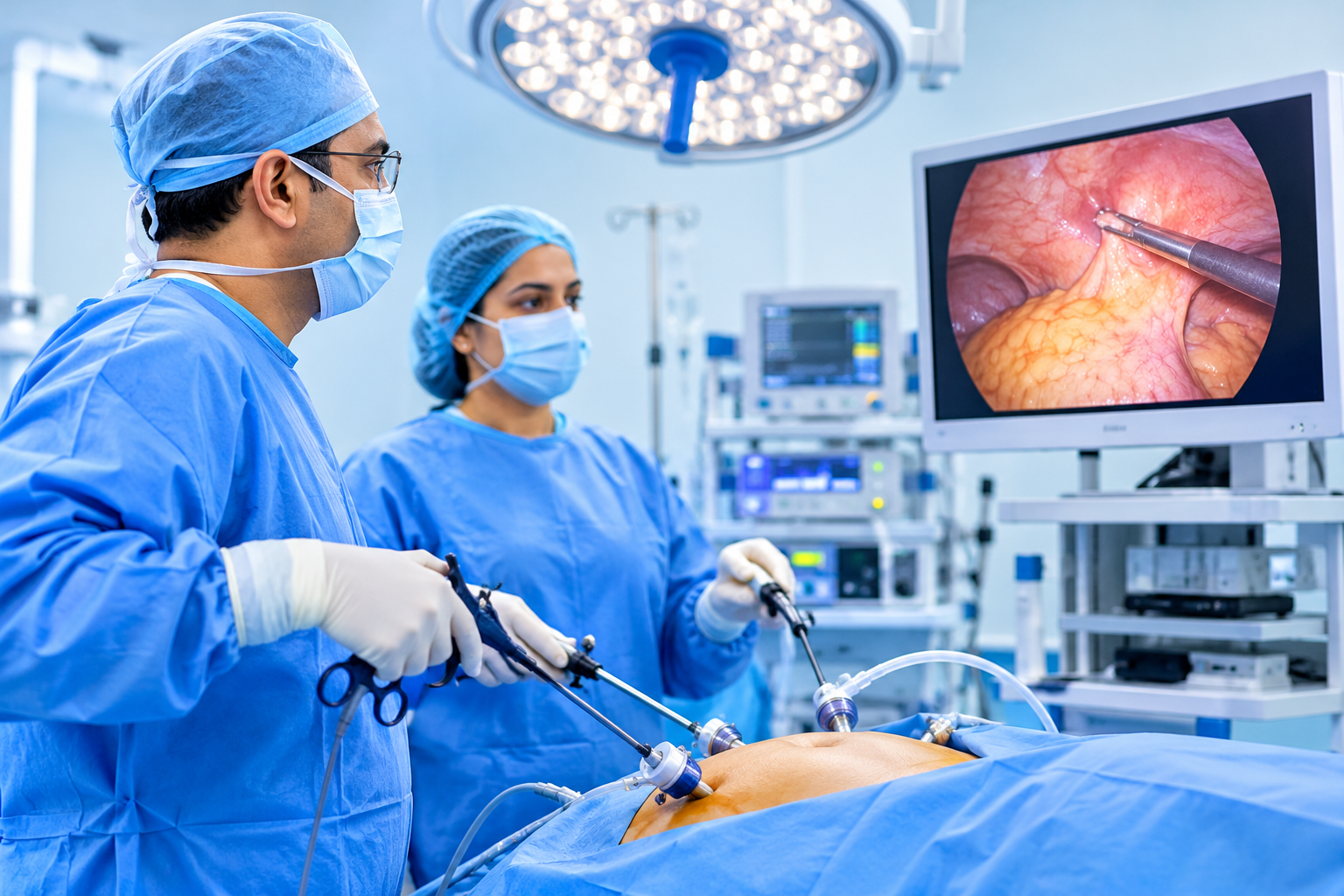
Laparoscopic surgery has become an important surgical approach for treating several abdominal conditions. Also known as minimally invasive or keyhole surgery, this technique allows surgeons to perform selected procedures through small incisions using a specialised camera and surgical instruments.
For patients and families looking for Laparoscopic Surgery in Ahmedabad, understanding how the procedure works, which conditions may be treated, its potential benefits and recovery expectations can help them make informed healthcare decisions.
At Maruti Multispeciality Hospital, Ahmedabad, laparoscopic and general surgical procedures are part of the hospital’s surgical care services. Patients can consult the surgical team to understand suitable treatment options based on their medical condition.
What Is Laparoscopic Surgery?
Laparoscopic surgery is a minimally invasive surgical technique in which a surgeon uses a thin instrument called a laparoscope, equipped with a camera and light source, to view the internal organs.
Instead of making one large incision, the surgeon generally makes a few small cuts through which the camera and specialised surgical instruments are inserted. The internal images are displayed on a monitor, helping the surgeon perform the required procedure.
This approach is commonly called keyhole surgery because it uses smaller surgical openings compared with conventional open surgery.
However, laparoscopic surgery is not suitable for every patient or every condition. The appropriate surgical approach depends on the diagnosis, medical history, complexity of the condition and the surgeon’s assessment.
Which Conditions Can Be Treated Through Laparoscopic Surgery?
Laparoscopic techniques may be used to diagnose and treat several abdominal conditions. The exact procedure depends on the patient’s health condition and clinical requirements.
Some commonly performed laparoscopic procedures include:
1. Gallbladder Stone Surgery
Gallstones are hardened deposits that develop inside the gallbladder. Some people may not experience symptoms, while others can develop abdominal pain, nausea or digestive discomfort.
When gallstones cause repeated symptoms or complications, a surgeon may recommend gallbladder removal, known as cholecystectomy. In suitable patients, this procedure can be performed laparoscopically.
2. Hernia Surgery
A hernia develops when an internal organ or tissue pushes through a weak area in the surrounding muscle or connective tissue.
Common types include inguinal, umbilical and incisional hernias. Depending on the type and size of the hernia, a surgeon may consider laparoscopic hernia repair.
3. Appendix Surgery
Appendicitis occurs when the appendix becomes inflamed. Common symptoms include abdominal pain, nausea, vomiting and fever.
Appendectomy, or surgical removal of the appendix, may be performed using a laparoscopic approach when clinically appropriate.
Suspected appendicitis requires prompt medical assessment, as the condition can become serious if treatment is delayed.
4. Diagnostic Laparoscopy
Sometimes doctors need to examine the abdominal or pelvic organs to understand the cause of unexplained symptoms.
Diagnostic laparoscopy allows the surgeon to view internal structures using a camera and helps guide further diagnosis or treatment when necessary.
Important: Not all gallbladder, hernia, appendix or abdominal conditions require surgery. A qualified surgeon must evaluate the patient before recommending a procedure.
What Are the Benefits of Advanced Laparoscopic Surgery?
Compared with traditional open surgery, laparoscopic surgery may provide several advantages for appropriately selected patients.
1. Smaller Surgical Incisions
Laparoscopic procedures generally involve smaller cuts rather than one large incision. This can result in smaller visible scars after healing.
2. Less Postoperative Discomfort
Many patients experience less pain after laparoscopic surgery compared with similar open procedures. However, the amount of discomfort varies depending on the operation and individual health factors.
3. Potentially Faster Recovery
Smaller incisions may help suitable patients resume routine activities sooner than they might after open surgery. Recovery time still depends on the type and complexity of the procedure.
4. Shorter Hospital Stay in Selected Cases
Some laparoscopic procedures allow patients to return home on the same day or after a shorter hospital stay. More complex operations may require additional monitoring and hospital admission.
5. Smaller Scars
Because laparoscopic surgery uses smaller incisions, the resulting scars are generally smaller than those associated with conventional open surgery.
Although these benefits are important, laparoscopic surgery also has risks. Possible complications include bleeding, infection, injury to nearby organs, blood vessel injury and anaesthesia-related complications.
In some cases, the surgeon may need to change from a laparoscopic procedure to open surgery for safety reasons.
How Is Laparoscopic Surgery Performed?
The procedure generally involves several steps:
Step 1: Medical Evaluation
The surgeon reviews the patient’s symptoms, medical history, previous surgeries, medications and investigation reports.
Step 2: Preoperative Preparation
Depending on the planned operation, the patient may require blood tests, imaging investigations, anaesthesia assessment and instructions about fasting or medication adjustments.
Step 3: Anaesthesia
Many laparoscopic abdominal operations are performed under general anaesthesia, meaning the patient remains asleep during the procedure.
Step 4: Small Incisions and Camera Insertion
The surgeon makes small incisions and inserts the laparoscope and specialised instruments. A camera displays the internal organs on a monitor.
Step 5: Surgical Treatment
The surgeon performs the required procedure using the instruments while monitoring the internal images.
Step 6: Recovery and Monitoring
After surgery, the patient is shifted to a recovery area. The medical team monitors vital signs, discomfort and overall recovery before deciding when discharge is appropriate.
What Is the Recovery Time After Laparoscopic Surgery?
Recovery after laparoscopic surgery varies from person to person. It depends on the type of operation, the patient’s age, overall health and whether any complications occur.
Some patients undergoing minor laparoscopic procedures may resume routine activities relatively quickly, while those undergoing more complex operations may require several weeks.
Common recovery considerations include:
- First few days: Mild abdominal discomfort, tiredness, bloating or shoulder discomfort may occur.
- Wound care: Keep surgical wounds clean and follow the dressing instructions provided by the hospital.
- Physical activity: Gentle movement and walking may be encouraged when medically appropriate.
- Diet: Follow the recommended dietary instructions and maintain adequate hydration.
- Follow-up: Attend scheduled appointments so the surgeon can assess healing and recovery.
Avoid heavy lifting, strenuous exercise and driving until your treating doctor confirms that it is safe.
Seek prompt medical advice if you develop increasing abdominal pain, persistent vomiting, fever, wound redness or discharge, leg swelling or other concerning symptoms. Severe breathing difficulty or chest pain requires emergency medical attention.
Is Laparoscopic Surgery Suitable for Every Patient?
No. Although laparoscopic surgery is widely used, it is not the best option for every patient.
The surgeon may consider several factors before recommending this approach:
- The type and severity of the medical condition.
- Previous abdominal surgeries and existing scar tissue.
- The patient’s heart, lung and other medical conditions.
- The complexity of the planned operation.
- The patient’s overall fitness for anaesthesia and surgery.
In certain situations, conventional open surgery may be a safer or more appropriate option.
A consultation with an experienced surgeon helps patients understand the available approaches, expected outcomes and possible risks.
How to Choose the Right Hospital for Laparoscopic Surgery in Ahmedabad?
Choosing a hospital for surgery is an important decision for patients and their families. Before selecting a hospital, consider the following factors:
- Qualified Surgical Team: Check the surgeon’s qualifications, experience and expertise in the required procedure.
- Operation Theatre Facilities: Understand whether the hospital has suitable surgical facilities and monitoring arrangements.
- Anaesthesia Support: Safe surgical care requires appropriate pre-anaesthesia evaluation and anaesthesia support.
- Postoperative Monitoring: Ask about recovery-room facilities, nursing care and follow-up arrangements.
- Emergency Support: Check the availability of appropriate emergency and critical care support.
- Clear Communication: The treating team should explain the procedure, possible risks, recovery expectations and alternative treatments.
Patients living in Sola, Science City, Gota, Thaltej, Jagatpur and nearby areas of Ahmedabad may also consider hospital accessibility when planning consultations and follow-up visits.
Why Consider Maruti Multispeciality Hospital in Ahmedabad?
Maruti Multispeciality Hospital provides surgical and multispeciality healthcare services for patients in Ahmedabad.
Its surgical services include laparoscopic, general, orthopaedic and emergency surgeries. The hospital also provides operation theatre facilities, outpatient services, diagnostic support and emergency care.
Patients considering laparoscopic surgery can consult the surgical team to discuss their symptoms, diagnosis, treatment requirements and whether a minimally invasive approach may be suitable.
For families living around Sola, Science City and nearby Ahmedabad areas, discussing treatment and follow-up arrangements with the hospital team can help them plan their healthcare journey.
Frequently Asked Questions About Laparoscopic Surgery
1. What is the difference between laparoscopic and open surgery?
Laparoscopic surgery uses a camera and specialised instruments inserted through small incisions. Open surgery generally involves a larger incision to access the surgical area. The suitable approach depends on the patient’s condition and the surgeon’s assessment.
2. Is laparoscopic surgery painful?
The operation is commonly performed under general anaesthesia, so patients do not feel pain during the procedure. Some discomfort, soreness or bloating may occur afterwards and can be managed with prescribed medication.
3. How long does it take to recover from laparoscopic surgery?
Recovery varies according to the type of surgery and individual health. Some patients recover within days, while more complex procedures may require several weeks.
4. Is laparoscopic surgery safer than open surgery?
Both approaches have potential benefits and risks. Laparoscopic surgery may reduce incision size and postoperative discomfort in suitable cases, but it is not automatically safer for every patient.
5. Can gallbladder stones and hernia be treated laparoscopically?
Yes. Selected patients with symptomatic gallstones or certain types of hernia may be suitable for laparoscopic surgery. A surgeon must assess the condition before recommending treatment.
6. How do I know whether I need laparoscopic surgery?
Persistent abdominal pain, diagnosed gallstones, a hernia or suspected appendicitis may require medical evaluation. These symptoms do not automatically mean surgery is necessary. Consult a qualified surgeon for an appropriate diagnosis and treatment plan.
Consultation for Laparoscopic Surgery in Ahmedabad
If you or a family member is experiencing symptoms related to gallstones, hernia, appendicitis or other abdominal conditions, consulting a qualified surgeon can help you understand the diagnosis and appropriate treatment options.
At Maruti Multispeciality Hospital, Ahmedabad, patients can consult the surgical team to learn about laparoscopic surgery, its suitability, possible risks and expected recovery based on their individual medical condition.
If you are looking for laparoscopic surgery consultation in Sola, Science City, Gota, Thaltej or nearby areas of Ahmedabad, connect with Maruti Multispeciality Hospital for further information.
Medical Disclaimer
This article is intended for general health information and educational purposes only. It should not be considered a substitute for professional medical advice, diagnosis or treatment. The suitability of laparoscopic or open surgery depends on an individual’s health condition and clinical assessment by a qualified surgeon. Always consult a medical professional befor